OBP Newsletter OBP - Annual Review - 2021 As we come to the end of this year, it is with great pride that we look back at the many exciting things that have happened here at OBP in 2021! From new open access titles, to awards, new series and exciting projects, this has been a remarkable year for us. Keep reading to find out more!
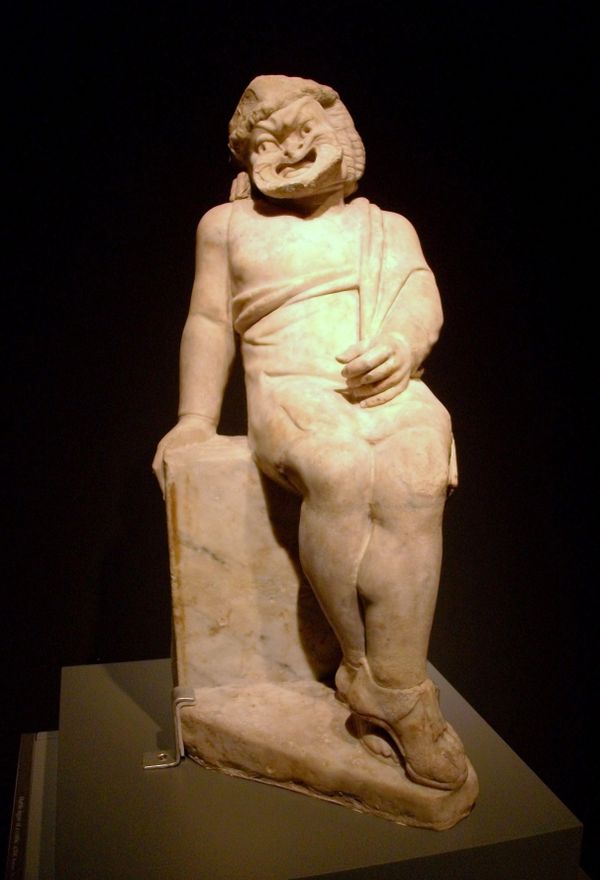
Our books Why does the slave win? Plautus's Epidicus on the Roman Stage Read Dr Catherine Tracy's blog post on her latest Open Access title 'Epidicus by Plautus: An Annotated Latin Text, with a Prose Translation'.
OBP Newsletter OBP Autumn Newsletter 2021 Welcome to our Autumn Newsletter! We have information on our new open position, updates from COPIM, OABN and ScholarLed, events, new and forthcoming publications, latest reviews and more...Keep reading to find out more!
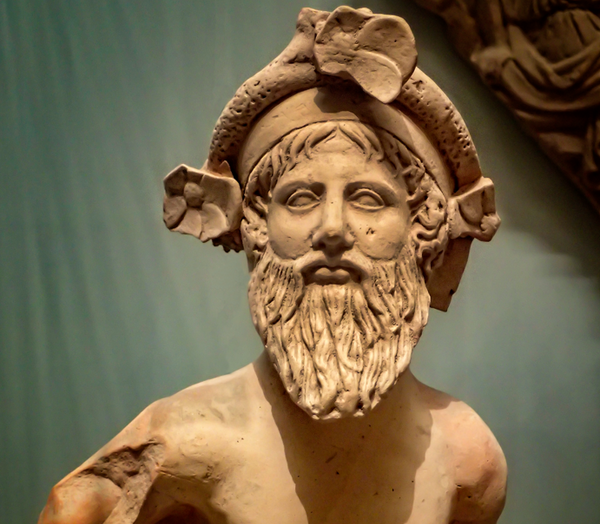
Our books ἱστορία and the κόσμος If you want to make the world a better place, if you care about justice and equality, if a life of curiosity and skepticism, lived with values, purpose, and reflection intrigues you, read on.
Our books A Sacred Task Read William B. Bonvillian's reflections on the importance of publishing the research of his late brother John D. Bonvillian in Open Access.
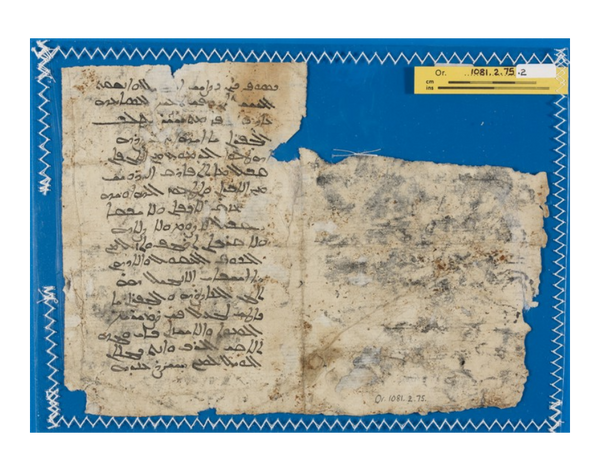
Semitic Languages and Cultures On 'A Handbook and Reader of Ottoman Arabic' Read now Esther-Miriam Wagner's reflection on her latest book 'A Handbook and Reader of Ottoman Arabic'.
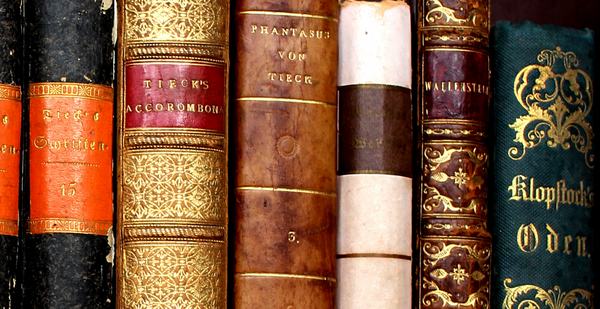
German Literature A View From under The Horse’s Tail. New Perspectives on Literature? Read now Roger Paulin's reflections on his latest title 'From Goethe to Gundolf: Essays on German Literature and Culture'.
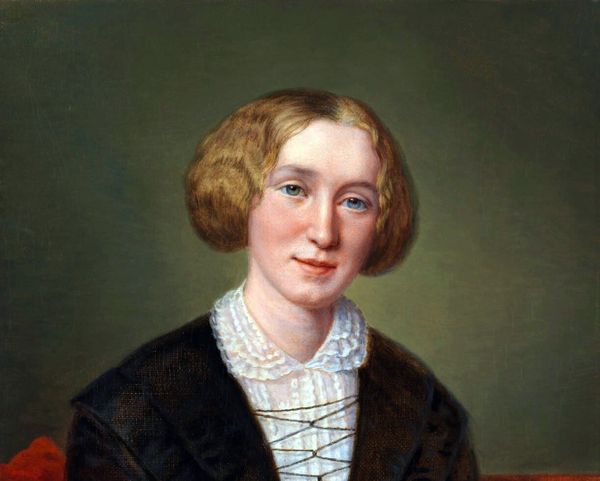
Our books The Middle is Marching: Adam Roberts, on reading George Eliot’s 'Middlemarch' Adam Roberts, author of 'Middlemarch: Epigraphs and Mirrors', on reading George Eliot’s 'Middlemarch'
Our books Autism and Ethics: The Stories We Tell Read Flora Kann Szpirglas' reflections on Kristien Hens' latest title 'Towards an Ethics of Autism: A Philosophical Exploration'.
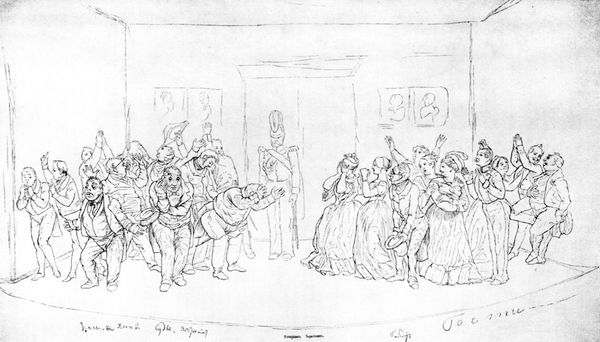
Russian Literature How To Read Russian Literature Backwards Did you know that Voltaire plagiarized Conan Doyle? Or that Shakespeare nicked T.S. Eliot’s best ideas? Plagiarism by anticipation is both quaintly ludicrous and unexpectedly fecund, overturning familiar notions of literary adaptation (and anxiety of influence).